
Coconut oil’s story began 4,000 years ago when Caribbeans and Filipinos began cultivating it as a medical and beauty miracle. By the 20th century, it had become a standard ingredient in soaps and shampoos, and it's regained its fashion relevance in recent years. Contemporary beauty brands all over the world adore its purifying and moisture-giving properties.
Composition
Pure coconut oil is almost entirely made from saturated and unsaturated fats:
- Lauric acid is an anti-inflammatory with antimicrobial properties. It’s an acne-fighting emollient that locks moisture into your skin while strengthening the lipid matrix that protects you from free radicals.
- Myristic acid fills the gaps between skin cells, softening your complexion and keeping free radicals out. It’s also a gentle cleanser.
- Palmitic acid covers your outermost skin layer in a thin protective film. Its gentle surfactant properties make it the perfect substitute for harsher soaps. This is why coconut oil is a thorough yet gentle makeup remover.
- Caprylic acid offers intensive hydration. Its molecules are small enough to penetrate pores deeply, leaving a clean, hydrated surface. This acid is noncomedogenic, so when used without coconut oil’s other components, it’s a mild cleanser ideal for oily skin.
- Capric acid is one of coconut oil’s lighter fatty acids. It’s often used in lightweight cream for oily skin.
- Stearic acid is a versatile moisturizer that’s often used to bind other chemicals together. Of all these components, lauric acid is the dominant component in coconut oil. It accounts for around 50% of the extract, so its properties drive the oil's benefits.
Benefits of Coconut Oil for Skin
Correctly processed coconut oil is crammed with antioxidants. Beyond the significant beauty benefits of its fatty acids, it’s full of polyphenols and vitamin E compounds. Antioxidants are your skin’s own personal army, fighting destruction from pollution, sunlight, irritation, and inflammation. They’re a key partner to your daily SPF cream, preventing pigmentation and premature wrinkles in any skin type.
Moisturizing Properties
Coconut oil has built a considerable reputation for its hydration talents. It resolves dryness in four important ways:
- First, it delivers intensive moisture.
- Then, it traps water in the skin to relieve flaking and dryness.
- It fills the gaps between cells, creating a protective barrier against evaporation.
- Finally, it helps the skin to recover its own barrier when dryness destroys it.
Its emollient properties make it an indulgent lip balm and moisturizer with soothing effects.
Anti-Inflammatory Effects
Coconut oil’s powerful fats block the pathways of the enzymes that cause inflammation and irritation. Its barrier-supporting ingredients also soothe, moisturize, and protect your skin to relieve reactivity at the source, but why stop there? Its antioxidants go even further by offsetting the oxidative free radicals that cause inflammation, so speak to your dermatologist about coconut oil at your next appointment.
Antimicrobial Benefits
Lauric acid has a strange super power. It dissolves bacteria’s fat membranes, causing microbes to break apart and, ultimately, die. Scientists believe this acid goes beyond its lipid-based attack by boosting your immune cells' natural ability to fight bacteria. This makes it a great facial cleanser for skin types that can tolerate its heavy weight.
Healing Minor Wounds and Cuts
Your skin is constantly developing tiny microtears that weaken the skin barrier. In response, moisture evaporates more readily, leaving you feeling dry and acne-prone. Dermal cells struggle to repair themselves under those conditions, so microbes penetrate the epidermis.
Barrier damage might be caused by an abrasive scrub, harsh towel rubbing, and harsh cleansers. Coconut oil’s occlusive properties repair the skin barrier while fighting bacteria and inflammation. This magical trio of effects induces a healing response. Experts have even learned that virgin coconut oil stimulates cell growth and collagen synthesis, giving your skin everything it needs to self-heal.
Potential Side Effects
Virgin coconut oil is notorious for its weight. It’s highly comedogenic, so it forms an occlusive barrier over your skin, trapping bacteria in while keeping air out. Its heavy saturated fats block pores with sebum, dead cells, and microbes, so it can irritate inflamed pimples and cause blackheads. Sabon’s cream and body scrub products bring you the benefits of coconut oil without the detractors. We use a chemical transformation process to alter the oil’s molecular structure. Our rinse-off formulations prevent the oil from collecting on skin as an unabsorbed barrier. When we use this natural elixir in gelee and lotion, we combine coconut derivatives with fatty alcohols so that they can condition your skin without blocking your pores.
How to Use Coconut Oil on Skin
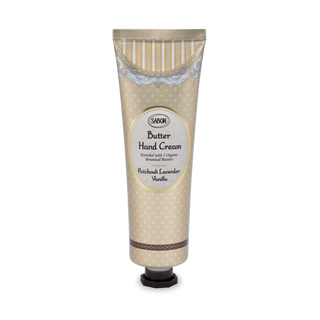
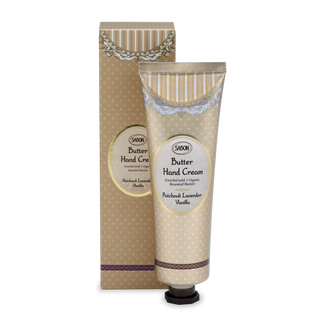
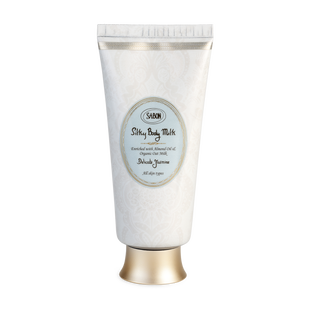
Sabon has added coconut oil or its derivatives to some of our exfoliators and body creams. You’ll find it in:
Repair Body Cream: As its name suggests, this fast-absorbing butter is formulated to boost self-repair. We’ve used the nourishing abilities of both shea butter and coconut oil to give your skin everything it needs to protect itself because nothing can beat the body’s own healing powers. We’ve also added glycerin to boost hydration even more. This ingredient is an exceptional humectant that absorbs 100% of its weight in water.
Body Scrub: Our Dead Sea Scrubs are rich in minerals and botanical oils. We’ve chosen a unique salt-in-oil texture to gently exfoliate your skin. Some of our scrub variants contain coconut oil for those fighting extreme dryness.
Body Gelee: Our ultra-light, jelly-textured gel moisturizer contains coconut-derived emollients and alcohols to soften your skin.
A small amount of coconut oil can revolutionize your skincare regime. Whether you use it as a makeup remover, cream, or cleanser, it will support your body’s natural protection process. When nature brings its magic to the human body, beautiful things happen. Take an indulgent self-care journey with one of our favorite ingredients. You’ll be hooked.