
Glycerin is one of Mother Nature’s most powerful skincare ingredients. We’ve been using it as a beauty elixir since the 19th century, and it’s no less popular today. It’s a superior, non-greasy alternative to high-lipid ingredients, and we’ve used it in cleansers and moisturizers ever since. At Sabon, we love its hydration powers, but it has many other tricks up its sleeve.
What is Glycerin?
Glycerin is an odorless sugar alcohol that works like a sponge. Much like hyaluronic acid, it acts as a humectant. It can absorb 100% of its weight in water, so its skincare powers should seem obvious. It draws moisture to the outer skin layer from both the ambient environment and deeper layers of the skin.
Chemical Properties
Glycerin mixes with water and alcohol alike. It absorbs water vapor from the environment without upsetting your skin’s natural pH balance. This means it leaves your skin barrier intact while still offering key benefits.
Key Benefits of Glycerin for Skin
Deep Moisturization
As a humectant, glycerin can achieve far more than the average moisturizer. An ordinary cream hydrates when you apply it but doesn’t keep hydrating all day. When you apply glycerin in your toner or moisturizer, you set your skin up for success. It draws moisture into the skin, relieving dryness.
Cleansing Effects
This popular elixir is more than just a moisturizer. It also dissolves other substances while fighting bacteria. You can finally wave goodbye to harsh soap that triggers irritation or acne. Glycerin won’t dry out your skin by removing its natural oils. It leaves you soft, clean, and hydrated. It’s also used as a gentle skincare solvent to blend ingredients.
Skin Barrier Protection
Glycerin is a natural emollient. It fills the tiny gaps between cells with lipids, giving skin a softer texture. This achieves a natural protective barrier that prevents moisture loss into the environment. For this reason, it’s a popular ingredient in creams, serums, and sunscreen. It makes products more spreadable, so you might find it in mask formulas, too.
Anti-Aging Properties
Glycerin’s moisture-giving properties give it remarkable anti-aging properties. It plumps the epidermis, reducing fine lines while leaving your complexion firmer and more supple. The barrier that your skin cells rely on to combat dehydration helps you retain a youthful aesthetic. New research has even found that it helps young skin cells mature healthily to achieve a smoother texture.
Healing and Soothing Effects
Everything your body needs to stay healthy relies on moisture, and wound healing is no different. A glycerin moisturizer draws water to the skin, reduces inflammation, and helps cells mature properly. When it’s used for wound protection, glycerin decreases irritation and redness. Its protective qualities keep bacteria at bay, so ask your dermatologist about glycerin-rich sunscreen, moisturizer, and serums formulated for acne and eczema.
Is Glycerin Suitable for Oily Skin?
Our favorite tincture doesn’t block pores, so it makes an exceptional moisturizer for oily and combination skin. A glycerin formula will even reduce your skin’s oil levels by balancing moisture levels. Hydrated skin produces less sebum, and that reduction will have a powerful clarifying effect.
Can Glycerin Cause Skin Irritation?
Undiluted glycerin can irritate skin. Humectants can also cause blistering in low-humidity environments. They draw moisture from deep skin layers instead of the environment, drying out your skin in the process. Allergies are rare but possible.
How to Choose the Right Product
Glycerin must be sourced from plant oils or animal fats because technical-grade glycerin often contains impurities. Vegetable glycerin taken from coconuts, soybeans, or palm is gentle, pure, and sustainable. Choose a reputable brand for your moisturizer and serum to ensure that the formula balances emollients with occlusives to lock moisture into the skin. If you live in a dry environment, choose a product with an emollient to balance the humectant’s effect. Using glycerin in its pure form is risky. If you don’t dilute it adequately or combine it with the wrong ingredients, you might experience uncomfortable side effects like blistering and redness.
How Often Should Glycerin Be Used?
It’s safe to use glycerin twice daily in its diluted form. Use a moisturizer as an occlusive to help lock in that precious moisture.
Glycerin in Skincare Products
Sabon is always excited to find out what nature can bring to the beauty landscape, so we include glycerin as our primary humectant. We’ve used it in everything from shower oils and cleansers to body creams and masks. Every item is offered in our iconic fragrance collection.
Sabon Products Containing Glycerin
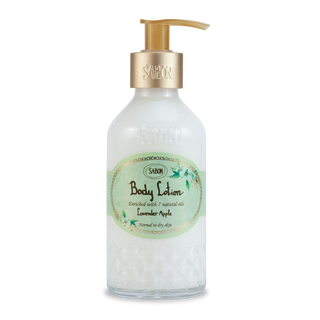
Body Lotions: Our indulgent lotion collection is as luxurious as it is nourishing. This is a core step in our body ritual, blending seven natural oils with our favorite humectant. You’ll enjoy the pampering powers of jojoba, olive oil, borage, and more, in a fast-absorbing, paraben-free product.
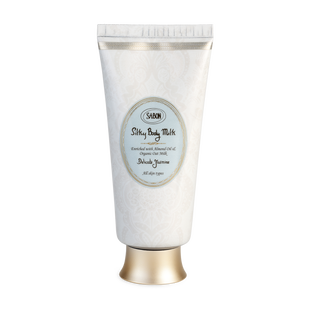
Silky Body Milk: This ultra-light, silky product is formulated to soften and smooth normal and oily skin. It’s crammed with almond oil and oat milk to moisturize without weighing skin down. If you’re looking for total nourishment without the lipid count, you’ve met your match.
Shower Oil: Enjoy the soothing properties of cornflower extract and glycerin in our gentlest cleanser. It contains four botanical oils and aromatic essences that will never strip your skin of moisture.
Three-in-One Dead Sea Mask and Scrub: Invite glycerin into your bath ritual with our famous Dead Sea Mask. It delivers all the mineral-rich purifying powers of the Dead Sea, polishing and purifying along the way.
Vogue called glycerin the "super hydrator dermatologists swear by," and we agree. Its ability to bind moisture makes it one of the most potent hydration tools available today. There’s a reason why it’s stood the test of time.